AI isn’t just about fundraising and marketing—it’s also transforming day-to-day operations.
Examples include:
- Automating reporting and grant documentation
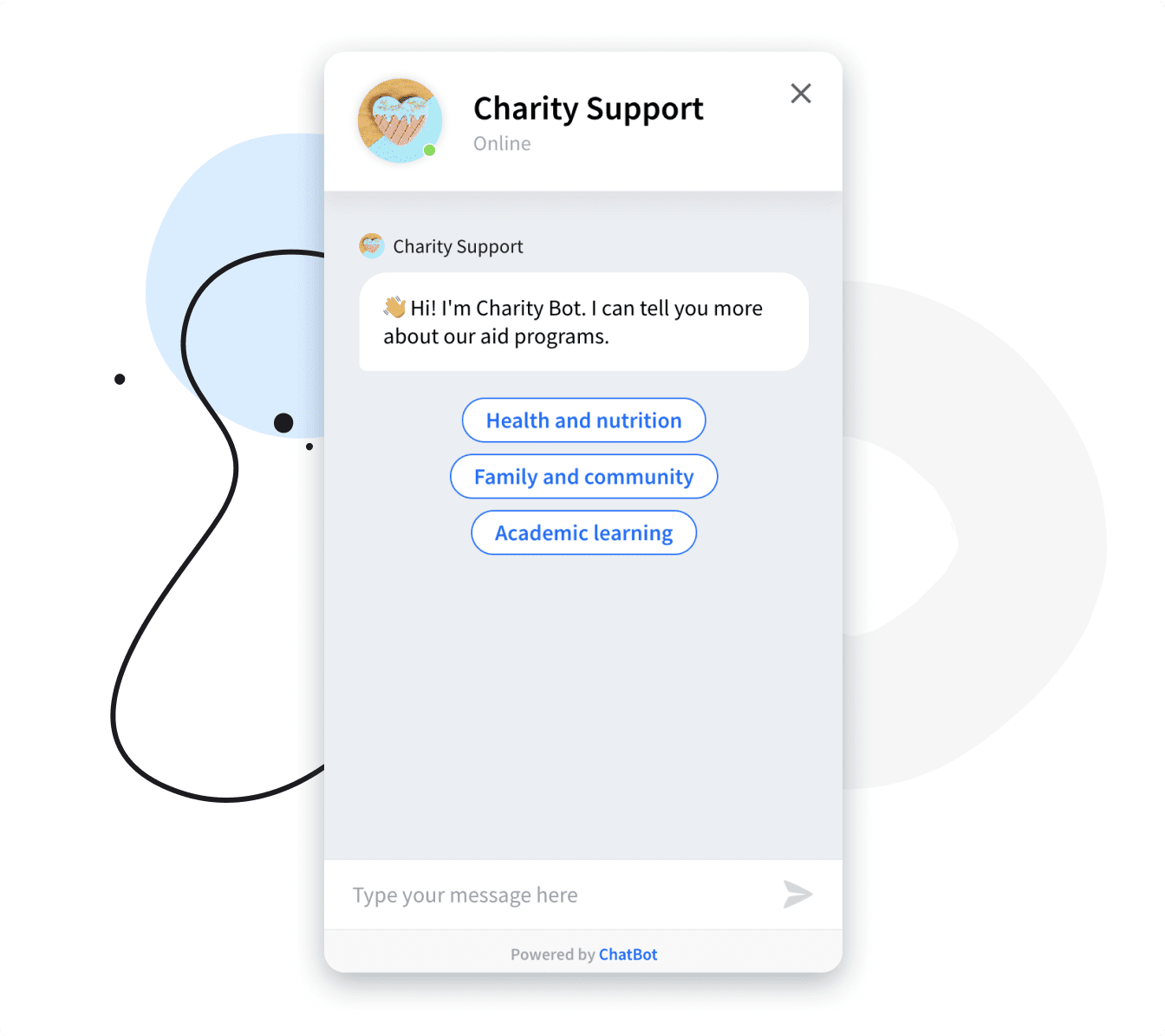
- AI chatbots for supporter inquiries
- Volunteer scheduling and communications
- Workflow automation across internal systems
Outcome: Staff spend more time advancing the mission—and less time buried in admin tasks.
4. Data-Driven Decision Making (Even Without a Data Team)
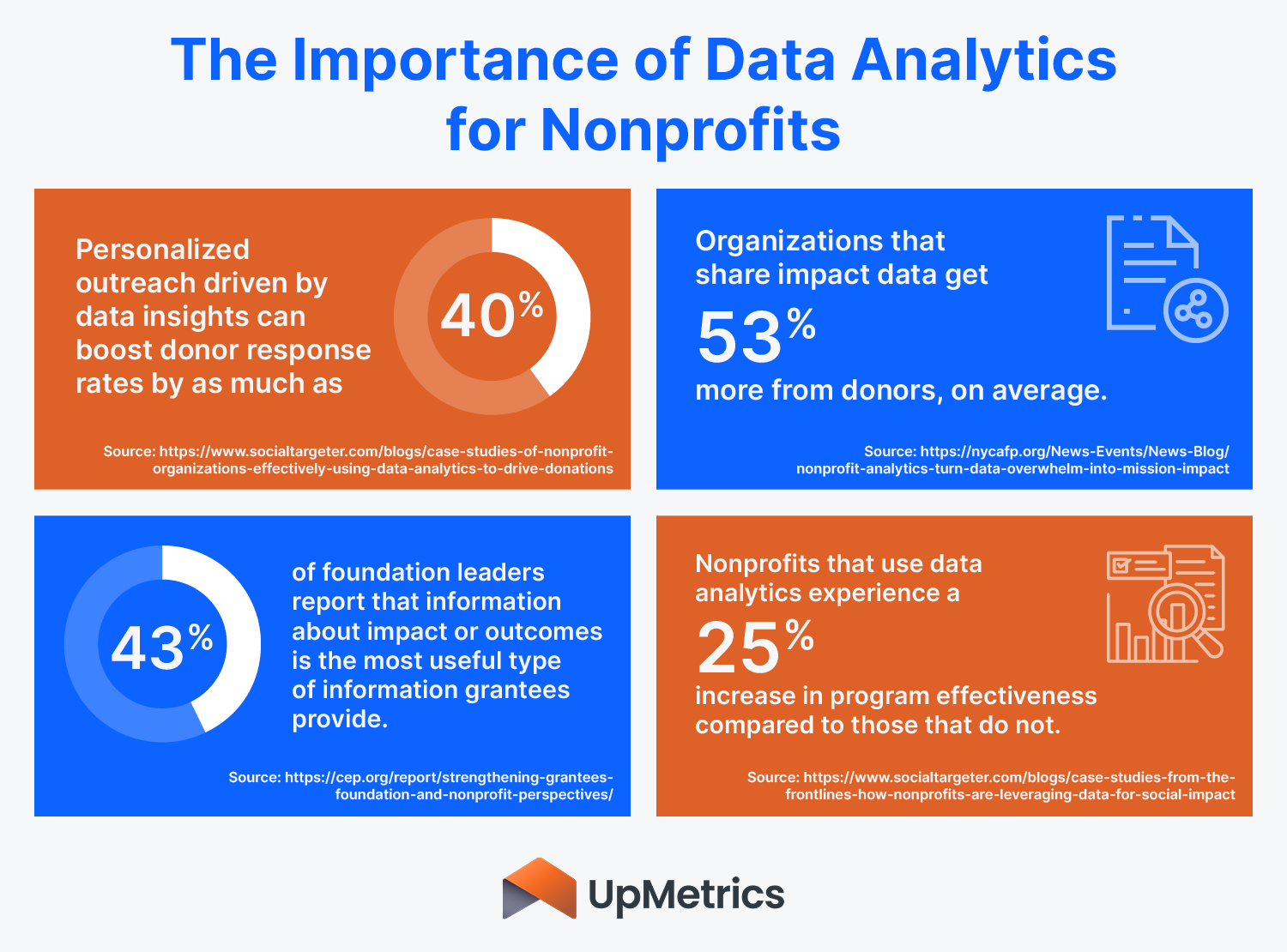
AI enables non-profits to make smarter decisions using the data they already have.
AI helps by:
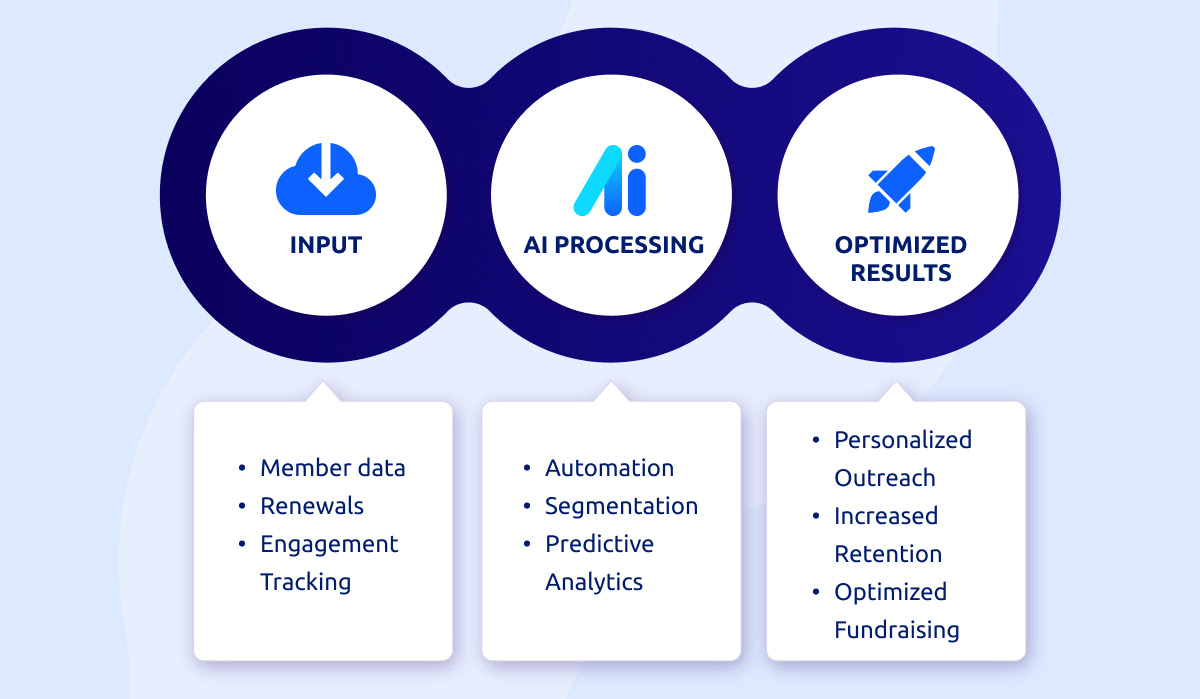
- Turning raw data into clear insights
- Forecasting trends and program outcomes
- Measuring campaign and outreach effectiveness
- Supporting grant and impact reporting
This gives leadership clarity and confidence—without hiring a full data science team.
5. Ethical, Responsible AI for Mission-Driven Work
AI in the non-profit space must be implemented responsibly.
Successful organizations prioritize:
- Data privacy and donor trust
- Bias-aware models and transparency
- Human oversight and governance
- Clear alignment with mission and values
When AI is guided by ethical frameworks, it strengthens trust rather than undermines it.
Why AI Works Best With the Right Partner
Non-profits don’t need more tools—they need aligned solutions.
Working with a digital marketing agency that also provides AI consulting ensures:
- AI supports fundraising and outreach goals
- Systems integrate with existing CRMs and platforms
- Implementation matches team capacity
- Success is measured by impact—not vanity metrics
AI is most effective when it’s embedded into marketing, operations, and decision-making, not bolted on.
Final Thoughts: AI as a Force Multiplier for Good
AI doesn’t replace the human heart of non-profit work—it amplifies it.
When implemented thoughtfully, AI helps non-profits:
- Reach more supporters
- Raise more funds
- Operate more efficiently
- Create measurable, scalable impact
The organizations benefiting most from AI today aren’t the biggest—they’re the most intentional.

Leave a Reply